top of page


Search
Tune Up & Turn Out Rally and RVTAA/NRVIA Expo Highlight Big Beard Battery’s November Events
Big Beard Battery is gearing up for a big November in Athens, Texas. We’ll host our inaugural Tune Up & Turn Out Rally for RV owners, then support the 2026 RVTAA/NRVIA Expo as a Gold Sponsor, including a special half-day facility tour and training event for technicians and inspectors at Road Life Complex.
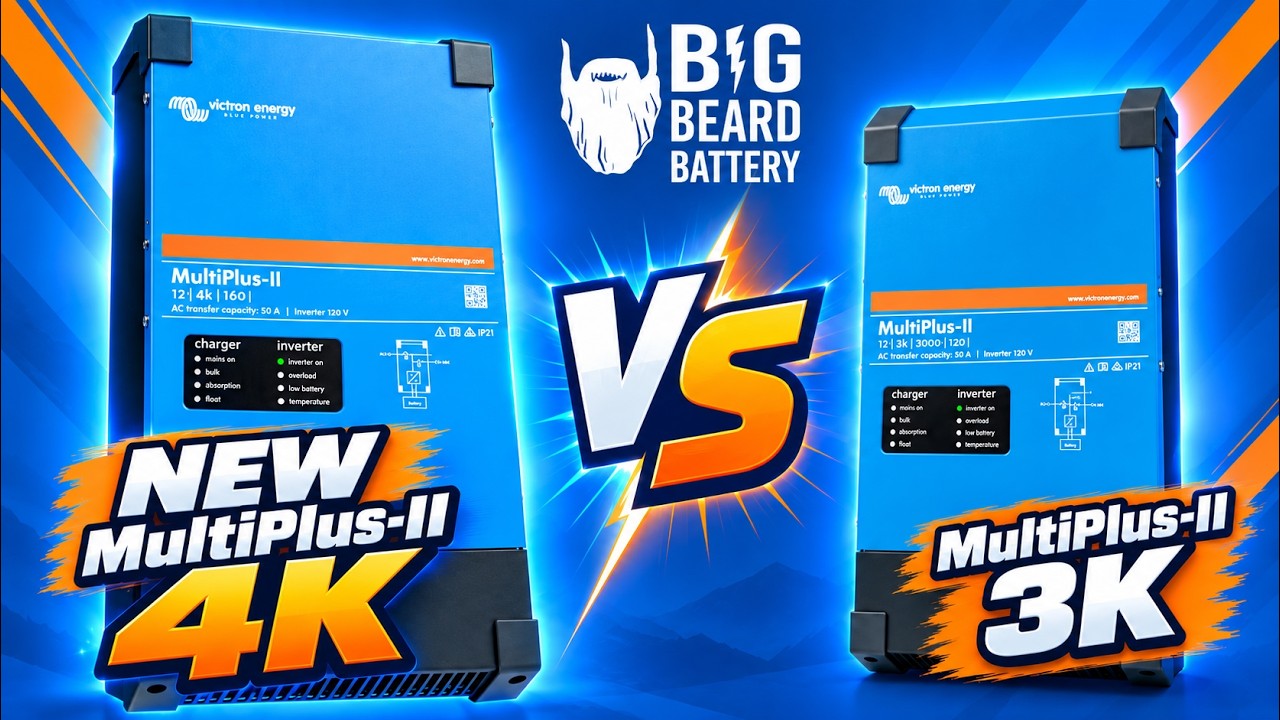
First Look: The New Victron MultiPlus-II 4K 2x120 for RV Power Systems
A first look at the new Victron MultiPlus-II 4K 2x120 and how it compares to the 3K, including size, output, cooling, wiring, and what the extra power could mean for RV owners.

Can You Mount a Victron Inverter Horizontally? What RV Owners Need to Know
When installing a Victron inverter in an RV, one question comes up repeatedly: Does it have to be mounted vertically, or can it be installed horizontally? The short answer is that permitted mounting positions depend on the exact inverter model and its installation manual. When space allows, however, vertical mounting is generally the preferred option because it supports better heat dissipation. But mounting position is only part of the equation. In many RV installations, poor

RV Automatic Transfer Switches: When to Keep Them and When to Remove Them
Learn what an RV automatic transfer switch does, when it should stay in your system, and when it may be removed during a Victron inverter or solar installation.
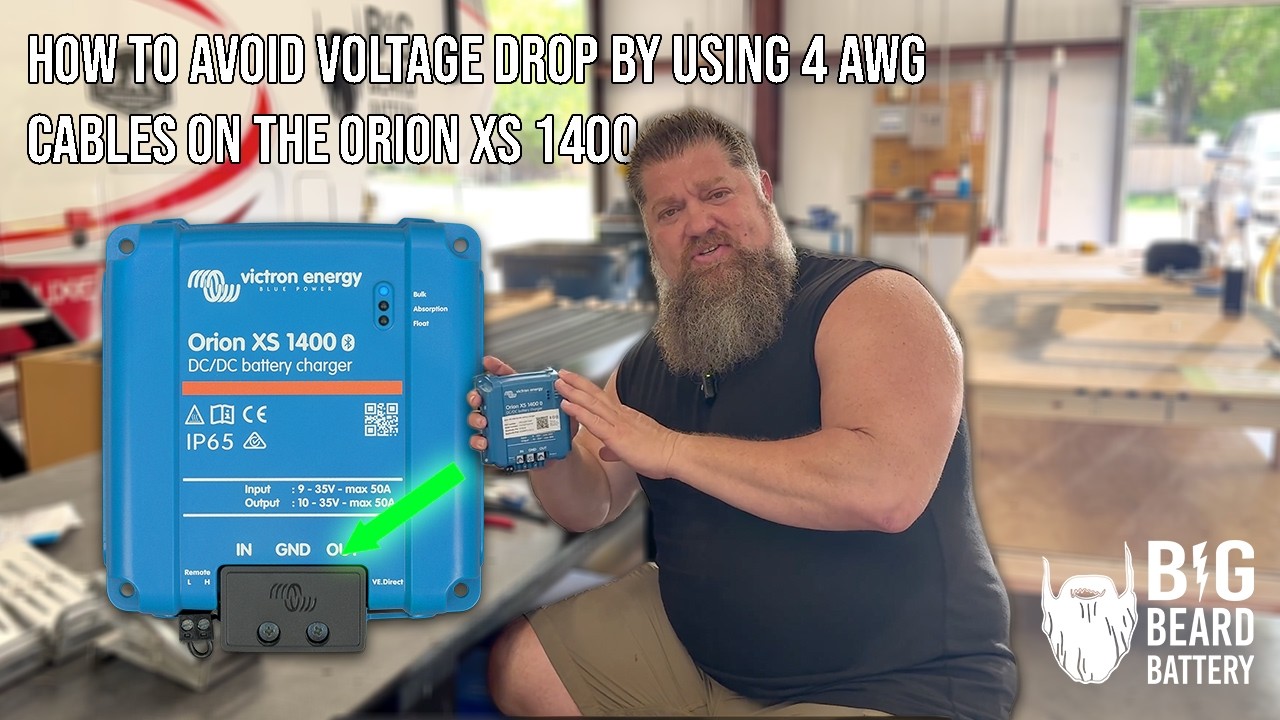
Victron Orion XS 1400 Wire Size: Can You Fit 4 AWG Cable?
Choosing the right wire size for a Victron Orion XS 1400 can be tricky, especially with long cable runs. In this tech tip, we compare 4 AWG and 6 AWG cable, explain voltage drop, and test two ways to fit larger wire into the terminal.
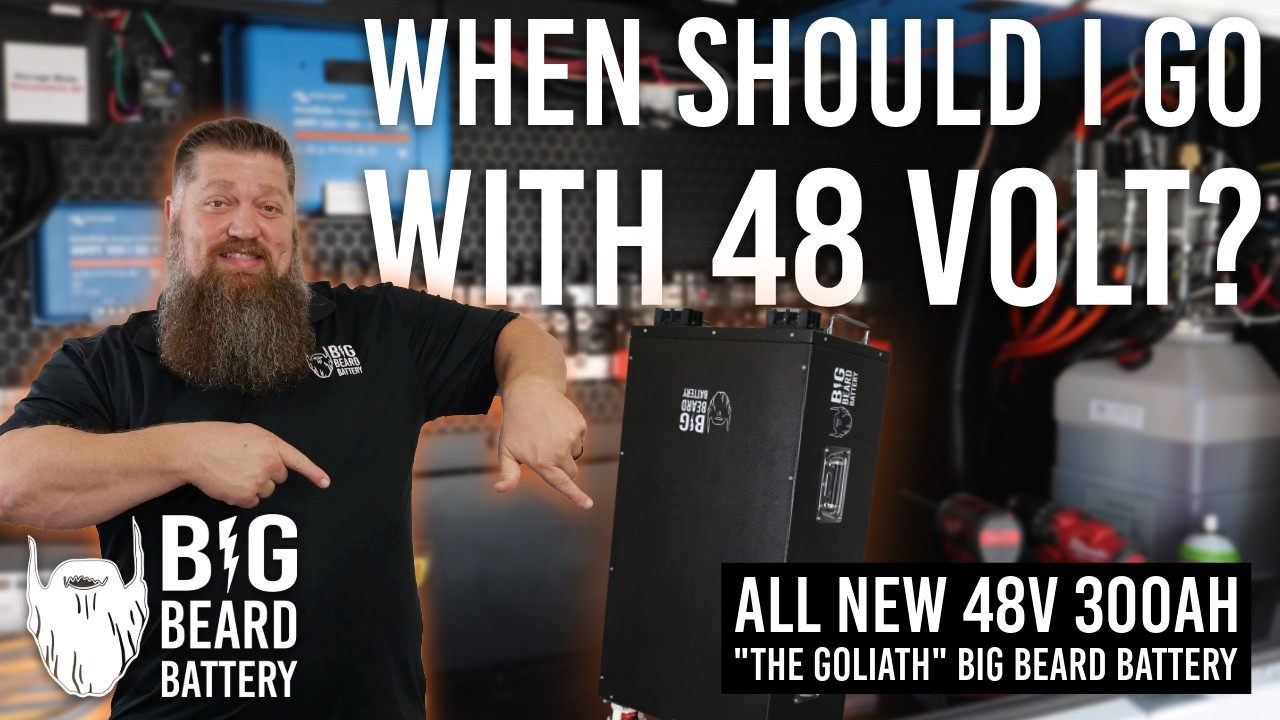
When Should You Go With 48V Batteries?
Choosing between a 12V, 24V, or 48V battery system is not as simple as saying one is always better than the others. It really comes down to how much power you need, how many batteries your system will use, what size inverter you want to run, and how much space you have available. For smaller setups, a 12V system can still be a great fit. It works well for lighter power needs and smaller battery banks. As you start adding more batteries, though, the system can become more comp
bottom of page